"Misinformation presents a critical challenge to global nutrition and health communication. It spreads not only through false claims but through emotionally resonant narratives, trusted cultural networks, persuasive design environments, and community-based authority systems. In many cases, misinformation appears more believable than scientific messaging because it aligns more closely with lived experience, identity, and narrative logic, weakening institutional trust and creating barriers to public health action.
This panel brings together three complementary perspectives rooted in nutrition communication, cultural authority and ancestral knowledge systems, vaccine trust research, behavioral design, and artificial intelligence-informed narrative analysis. Together, the panelists will guide participants to:
Identify cultural, social, and design-driven factors that increase the influence of misinformation over scientific messaging in nutrition and health communication.Analyze how traditional authority structures (such as elders and community leaders) and digital influence systems (such as influencers, recommendation algorithms, and media patterns) shape trust and message uptake.Apply a trust-centered communication mapping tool to design or adapt nutrition and health messages that align with culturally grounded narratives and community-trusted communication pathways.
Rather than focusing on reactive myth correction, the panel introduces a proactive approach to designing trust-centered communication ecosystems, where evidence is not just delivered but culturally integrated and co-owned by communities."
"Misinformation presents a critical challenge to global nutrition and health communication. It spreads not only through false claims but through emotionally resonant narratives, trusted cultural networks, persuasive design environments, and community-based authority systems. In many cases, misinformation appears more believable than scientific messaging because it aligns more closely with lived experience, identity, and narrative logic, weakening institutional trust and creating barriers to public health action.
This panel brings together three complementary perspectives rooted in nutrition communication, cultural authority and ancestral knowledge systems, vaccine trust research, behavioral design, and artificial intelligence-informed narrative analysis. Together, the panelists will guide participants to:
Identify cultural, social, and design-driven factors that increase the influence of misinformation over scientific messaging in nutrition and health communication.Analyze how traditional authority structures (such as elders and community leaders) and digital influence systems (such as influencers, recommendation algorithms, and media patterns) shape trust and message uptake.Apply a trust-centered communication mapping tool to design or adapt nutrition and health messages that align with culturally grounded narratives and community-trusted communication pathways.
Rather than focusing on reactive myth correction, the panel introduces a proactive approach to designing trust-centered communication ecosystems, where evidence is not just delivered but culturally integrated and co-owned by communities."
International Social and Behavior Change Communication Summit info@sbccsummit.org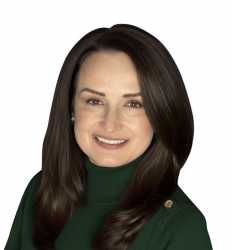 María Virginia Tijerina Walls
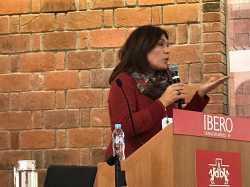 Marianella Herrera De Franco
 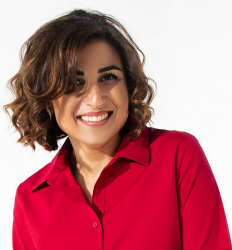 Tatyana El-Kour
Marianella Herrera De Franco
Marianella Herrera De Franco
María Virginia Tijerina Walls
Tatyana El-Kour
Marianella Herrera De Franco
Marianella Herrera De Franco
María Virginia Tijerina WallsProblemas técnicos?
Se estiver tendo problemas de reprodução, tente ajustar a qualidade ou atualizar a página.
Perguntas para o Palestrante?
Use a guia Q&A para enviar perguntas que poderão ser abordadas em sessões de acompanhamento.